Last Updated on November 5, 2025 by Bianca Clinton, Partner at Clinton Consultancy – Qualified Solicitor (Ghana, England & Wales)
Working as a shipping and maritime lawyer across Africa is one of the most dynamic — and challenging — areas of legal practice. It blends international law, trade, logistics, and diplomacy with the realities of port operations, customs bureaucracy, and multinational disputes.
Over the past two decades, I’ve represented clients across Ghana, Sierra Leone, Nigeria, Kenya, South Africa, and other African maritime jurisdictions — helping shipowners, traders, and investors navigate the evolving legal landscape of Africa’s shipping industry.
1. The Scope of African Shipping Law Practice
Africa’s coastline stretches more than 30,000 km, touching nearly 40 countries. Each has its own maritime authority, customs code, and flag registry, yet they are united by similar challenges — inefficiency, corruption, underinvestment, and overlapping regulations.
As a solicitor and advocate admitted in Ghana and the UK, I often appear before commercial courts in Accra, Freetown, Lagos, and Nairobi, representing clients in cargo disputes, insurance claims, ship arrests, and port litigation.
At The Law Office of Clinton Consultancy, we act for international firms seeking local counsel in shipping, port regulation, and dispute resolution across multiple African jurisdictions.
2. Major African Ports and Maritime Cities
Africa’s economic lifelines are its ports. Below are the key trade and shipping hubs where maritime legal work is most active:
| Region | Country | Major Port or City |
|---|---|---|
| West Africa | Ghana | Tema, Takoradi |
| Nigeria | Lagos (Apapa, Tin Can), Port Harcourt | |
| Sierra Leone | Freetown | |
| Ivory Coast | Abidjan | |
| Senegal | Dakar | |
| Central Africa | Cameroon | Douala |
| Gabon | Libreville | |
| Congo | Pointe-Noire | |
| East Africa | Kenya | Mombasa |
| Tanzania | Dar es Salaam | |
| Djibouti | Port of Djibouti | |
| Somalia | Berbera | |
| Southern Africa | South Africa | Durban, Cape Town, Port Elizabeth |
| Mozambique | Maputo | |
| Namibia | Walvis Bay |
Each of these ports handles millions of tonnes of cargo annually — from crude oil and gold to cocoa, minerals, vehicles, and agricultural goods — generating over $30 billion in trade revenues continent-wide.
3. Top Legal Challenges in African Shipping (Most Googled Topics)
When businesses and shipowners search online for “shipping lawyer in Africa”, they’re usually looking for answers to one of the following legal issues:
- Ship Arrest and Release Procedures – How to detain or release a vessel legally within African territorial waters.
- Maritime Debt Recovery – Recovering unpaid freight, demurrage, or contractual debts through local courts.
- Flagging and Vessel Registration – Understanding the advantages of Ghanaian, Nigerian, or Sierra Leonean ship registries.
- Insurance and Liability Disputes – Handling hull damage, cargo loss, or marine insurance claims.
- Environmental and Safety Compliance – Addressing oil spills, port contamination, or environmental fines.
- Port Delays and Contractual Breaches – Litigating charterparty disputes due to customs or port inefficiencies.
- Arbitration and Dispute Resolution – Navigating between London Maritime Arbitration Association (LMAA) rules and African court systems.
- Customs and Trade Law Violations – Ensuring compliance with import/export duties and local trade laws.
- Insolvency and Ship Finance – Managing debt restructuring and enforcement in distressed maritime companies.
- Piracy and Security Issues – Protecting vessels and crew in the Gulf of Guinea and East African waters.
4. The Importance of Legal Representation
In African jurisdictions, maritime law is deeply procedural — it requires precision and local knowledge.
Unlike Western jurisdictions, many African ports operate under mixed legal systems (English common law, civil law, and local statutes), meaning a simple procedural error can delay cargo or block vessel release for months.
This is why clients often engage a lawyer with cross-border credentials — one who can interpret international conventions such as the Hague-Visby Rules, UNCLOS, and MARPOL, while managing local litigation and arbitration proceedings in-country.
As counsel, I routinely attend court hearings and arbitration panels in Accra, Freetown, and Lagos, representing clients in shipping debt recovery, demurrage claims, and cross-border enforcement matters.
5. Opportunities in Africa’s Maritime Future
Africa’s shipping industry is set to double in trade volume by 2030, driven by the African Continental Free Trade Area (AfCFTA) and investments in port modernisation.
New opportunities are emerging in:
- Maritime financing and insurance
- Shipbuilding and repairs
- Energy and offshore oil logistics
- Legal tech for customs and cargo documentation
Ghana, Sierra Leone, and Nigeria are positioning themselves as flag states of choice, offering stable governance, investor-friendly maritime policies, and English-law based systems — making them ideal for ship registration and ownership.
6. How The Law Office of Clinton Consultancy Supports Clients
Our firm offers a comprehensive range of shipping and maritime legal services across Africa:
- Vessel registration and flagging under Ghana or Sierra Leone
- Charterparty and bill of lading contract drafting
- Cargo loss, demurrage, and insurance litigation
- Admiralty arrest and release applications
- Debt recovery and enforcement of foreign judgments
- Port regulatory compliance and licensing
- Arbitration and mediation (LMAA / UNCITRAL)
Our cross-border presence in Accra, Freetown, and London ensures that every client receives seamless legal representation from port to court.
7. Why Choose a Pan-African Shipping Lawyer
Being a shipping lawyer in Africa requires not just legal knowledge — but resilience, diplomacy, and the ability to bridge cultures and jurisdictions.
Each port tells a story: from the bustling docks of Tema to the quiet harbours of Freetown, Africa’s maritime world reflects the continent’s diversity and potential.
As the industry grows, so too does the need for legal precision, advocacy, and accountability.
If you are a shipowner, logistics investor, or maritime company seeking trusted representation in Africa, do reach out
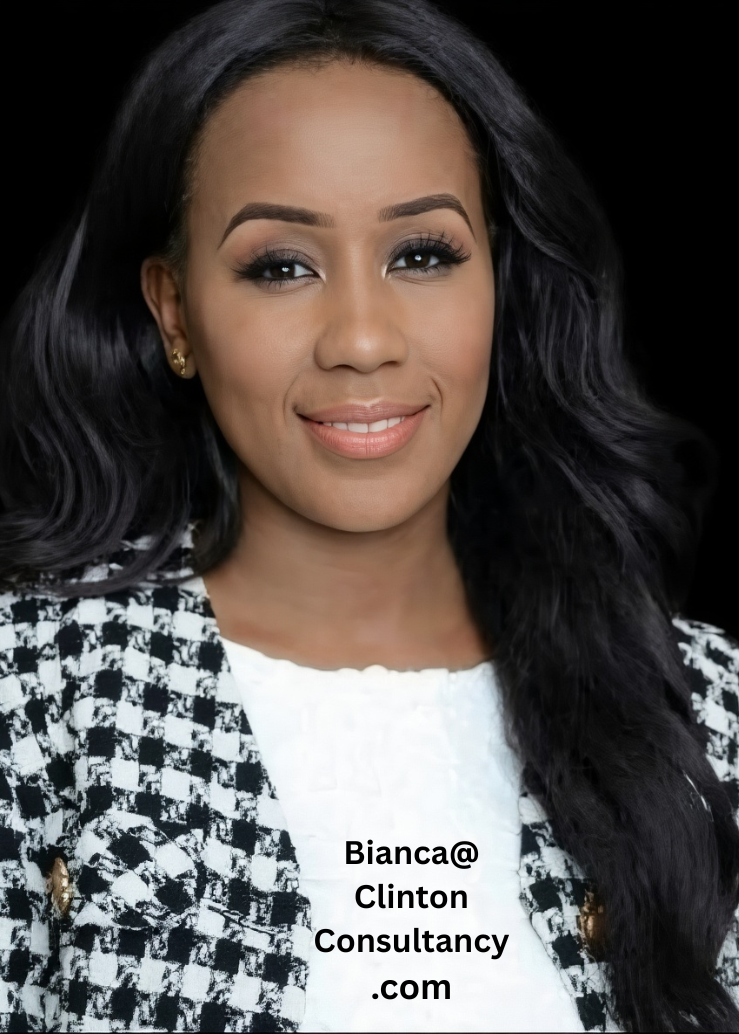
Bianca Akweley Clinton is an internationally recognised legal practitioner, dual-qualified as a Solicitor of England & Wales and a Barrister-at-Law in Ghana, with extensive experience advising clients across Africa and internationally on complex legal, corporate, and cross-border matters.
She is a Partner at The Law Office of Clinton Consultancy, an award-winning international law and advisory firm providing legal and strategic solutions to African and global clients in areas including shipping and maritime law, corporate and commercial transactions, investment structuring, mergers and acquisitions, immigration law, dispute resolution, regulatory compliance, due diligence, and international business advisory services.
Bianca has been recognised for her outstanding contribution to the legal profession as the recipient of the prestigious African Legal Icon Award by the Heritage Foundation, honouring her commitment to legal excellence, professional integrity, and the protection of clients’ interests across multiple jurisdictions.
Recent awards won by Bianca include:
December 2025 — Outstanding Woman in Corporate Risk and Strategic Advisory — Ghana Business Forum.
April 2026 — African Legal Icon — African Heritage Awards, Accra.
May 2026 — Clinton Consultancy received two African Excellence Awards: Best Global Cross-Border Legal Advisory Firm 2026 and Legal Excellence in Corporate Law 2026.
June 2026 — Global 100 – 2026 Awards: The Law Office of Clinton Consultancy recognised as Leading Firm in Law Practice in Ghana for 2026.
Under her leadership, The Law Office of Clinton Consultancy has received international recognition, including being named Leading Firm in Law Practice – Ghana at the Global 100 Awards 2026, alongside numerous other national and international recognitions for excellence in legal practice, strategic advisory work, and cross-border business support.
Through BiancaClinton.org, Bianca shares legal insights, professional commentary, and thought leadership designed to educate, inform, and support businesses, investors, institutions, and individuals navigating legal and commercial opportunities worldwide.
Through Clinton Consultancy’s expanding international network, the firm proudly serves clients through its flagship offices and operational presence in Ghana, Nigeria, Sierra Leone, the United Kingdom, South Africa and across global markets.
Contact Bianca Clinton Directly
📧Email: Bianca@ClintonConsultancy.com
🇬🇭 Ghana Office: +233 59 261 1535
🇬🇧 United Kingdom Office: +44 7425 700 696