Last Updated on November 3, 2025 by Bianca Clinton, Partner at Clinton Consultancy – Qualified Solicitor (Ghana, England & Wales)
Recovering debt in Ghana can be a far more intricate and time-consuming process compared to Western jurisdictions. While the legal system is robust and based on sound principles of contract and enforcement, practical realities — such as court congestion, verification issues, and enforcement bureaucracy — often make the process slower and more demanding.
As a practising solicitor in Ghana and the UK, I’ve seen how the nuances of Ghana’s legal and commercial environment make legal representation essential in the recovery process.
1. Why Debt Recovery Is More Complex in Ghana
In many Western countries, recovery can be achieved quickly through streamlined mechanisms such as county court judgments, electronic filing, and insolvency enforcement systems.
In Ghana, however, recovery often involves multiple stages — from demand letters to court action and finally to enforcement — each of which can encounter procedural or administrative delays. Documentation standards also vary, meaning a creditor must provide meticulous proof of debt, service, and obligation to stand a good chance in court.
Additionally, post-judgment enforcement is not automatic. Even after obtaining judgment.
2. Why a Lawyer Is Crucial
Engaging a qualified lawyer is not just advisable — it’s essential. Lawyers ensure that:
- Your demand letters and pre-litigation steps meet legal thresholds.
- Proceedings are filed in the correct jurisdiction and court.
- Your recovery claim includes all allowable costs, interest, and damages.
- Enforcement orders are properly executed.
Without experienced legal guidance, debtors can easily exploit procedural gaps to delay or frustrate recovery.
3. Types of Debts That Can Be Recovered
At The Law Office of Clinton Consultancy, I regularly assist clients in recovering:
- Commercial Debts: Unpaid invoices, business loans, and corporate obligations.
- Personal Debts: Loans between individuals, property sales, and service disputes.
- Financial Institution Debts: Defaulted credit facilities or guarantees.
- Employment & Contractual Debts: Unpaid wages, commissions, or breach of contract.
- Property-Linked Debts: Rent arrears, property sale deposits, or joint venture defaults.
Each of these requires a tailored legal strategy — from negotiation and settlement to litigation and enforcement.
4. Insolvency and Company Liquidation in Ghana
In cases where a debtor is unable to pay, Ghana’s Corporate Insolvency and Restructuring Act (Act 1015) offers structured mechanisms such as administration, restructuring, and liquidation.
A lawyer can help creditors file for insolvency or appoint an administrator to recover or protect assets. Understanding this process is key to maximizing returns in complex debt scenarios.
5. How We Support Clients
At The Law Office of Clinton Consultancy, we represent both local and international clients in debt recovery and enforcement actions across Ghana. Our services include:
- Drafting and serving demand notices
- Filing recovery suits in court
- Enforcing judgments
- Corporate insolvency filings
- Debt restructuring and settlements
With our base in Accra, we combine legal precision with practical results. Every client receives tailored attention to ensure compliance, confidentiality, and recovery.
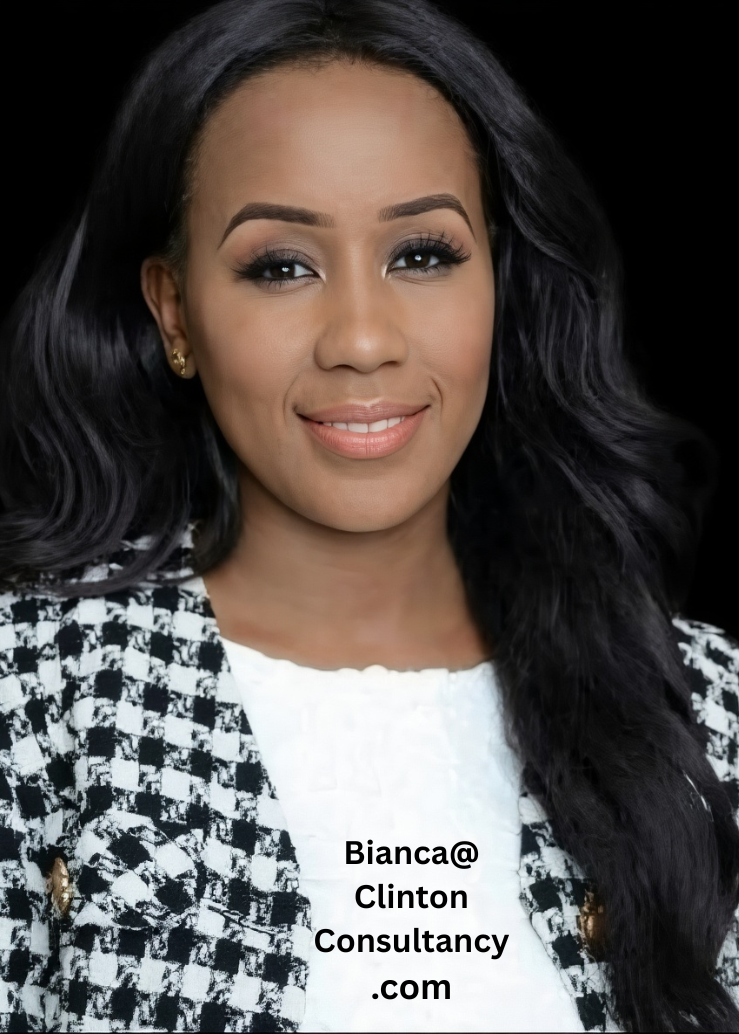
Bianca Akweley Clinton is an internationally recognised legal practitioner, dual-qualified as a Solicitor of England & Wales and a Barrister-at-Law in Ghana, with extensive experience advising clients across Africa and internationally on complex legal, corporate, and cross-border matters.
She is a Partner at The Law Office of Clinton Consultancy, an award-winning international law and advisory firm providing legal and strategic solutions to African and global clients in areas including shipping and maritime law, corporate and commercial transactions, investment structuring, mergers and acquisitions, immigration law, dispute resolution, regulatory compliance, due diligence, and international business advisory services.
Bianca has been recognised for her outstanding contribution to the legal profession as the recipient of the prestigious African Legal Icon Award by the Heritage Foundation, honouring her commitment to legal excellence, professional integrity, and the protection of clients’ interests across multiple jurisdictions.
Recent awards won by Bianca include:
December 2025 — Outstanding Woman in Corporate Risk and Strategic Advisory — Ghana Business Forum.
April 2026 — African Legal Icon — African Heritage Awards, Accra.
May 2026 — Clinton Consultancy received two African Excellence Awards: Best Global Cross-Border Legal Advisory Firm 2026 and Legal Excellence in Corporate Law 2026.
June 2026 — Global 100 – 2026 Awards: The Law Office of Clinton Consultancy recognised as Leading Firm in Law Practice in Ghana for 2026.
Under her leadership, The Law Office of Clinton Consultancy has received international recognition, including being named Leading Firm in Law Practice – Ghana at the Global 100 Awards 2026, alongside numerous other national and international recognitions for excellence in legal practice, strategic advisory work, and cross-border business support.
Through BiancaClinton.org, Bianca shares legal insights, professional commentary, and thought leadership designed to educate, inform, and support businesses, investors, institutions, and individuals navigating legal and commercial opportunities worldwide.
Through Clinton Consultancy’s expanding international network, the firm proudly serves clients through its flagship offices and operational presence in Ghana, Nigeria, Sierra Leone, the United Kingdom, South Africa and across global markets.
Contact Bianca Clinton Directly
📧Email: Bianca@ClintonConsultancy.com
🇬🇭 Ghana Office: +233 59 261 1535
🇬🇧 United Kingdom Office: +44 7425 700 696